(image source : google)
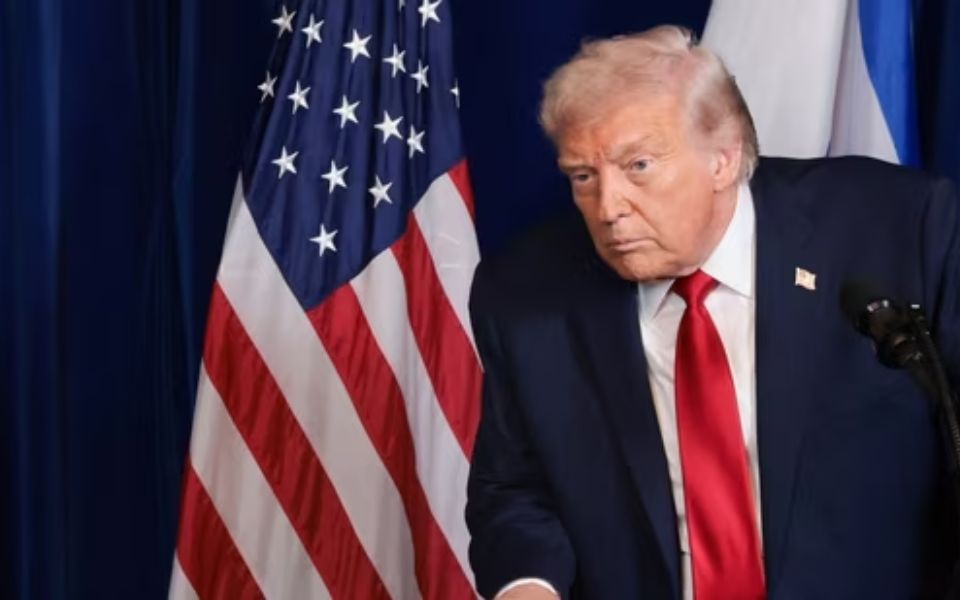
The United States has officially implemented an expanded travel ban covering 39 countries, effective January 1, 2026, following a new presidential proclamation issued by the White House. The move significantly broadens earlier restrictions and affects both immigrant and non immigrant travellers, including immediate family members of US citizens from several nations.
The announcement was first made on December 4, 2025, by Kristi Noem, who stated that the Trump administration intended to expand existing travel restrictions in the interest of national security. The policy was later formalised through an executive order released on December 16, 2025.
According to the White House, the decision is “necessary to prevent the entry of foreign nationals about whom the United States lacks sufficient information to assess the risks they pose.” The expanded restrictions are issued under Presidential Proclamation 10998, building upon the earlier Proclamation 10949.
Countries Under Full US Travel Ban
Under the new rules, a full suspension of entry applies to immigrants and all nonimmigrants from 19 countries, along with individuals travelling on Palestinian Authority-issued travel documents. This means citizens of these locations are barred from entering the United States under any visa category.
Countries facing a full ban include:
Afghanistan, Burkina Faso (added), Chad, Equatorial Guinea, Eritrea, Haiti, Iran, Laos (moved from partial ban), Libya, Mali (added), Niger (added), Palestinian Authority Travel Documents (added), Republic of the Congo, Sierra Leone (moved from partial ban), Somalia, South Sudan (added), Sudan, Syria (added), and Yemen.
Countries Under Partial US Travel Ban
In addition to the full ban list, the proclamation enforces a partial suspension of entry on 20 additional countries. These restrictions apply to immigrants and nonimmigrants seeking entry under B-1, B-2, B-1/B-2, F, M, and J visa categories, commonly used for tourism, business, education, and exchange programmes.
Countries under the partial ban include:
Angola, Antigua and Barbuda, Benin, Burundi, Côte d’Ivoire, Cuba, Dominica, Gabon, The Gambia, Malawi, Mauritania, Nigeria, Senegal, Tanzania, Togo, Tonga, Venezuela, Zambia, and Zimbabwe.
Turkmenistan remains a special case. Under the proclamation, restrictions apply only to immigrants, while all nonimmigrant visa categories remain unaffected.
Additional Visa Restrictions
For countries under the partial ban, the proclamation also instructs US consular officers to limit the validity of other nonimmigrant visas to the maximum extent allowed by law, even if those visas are not fully suspended.
Official Source and Authority
All country classifications and visa restrictions are based on official documentation and have been confirmed by NAFSA: Association of International Educators, which tracks US immigration and travel policy updates. The policy is enforced nationwide from January 1, 2026.
Also Read: Top 10 Places to Visit in Jaipur