(image source: The Guardian)
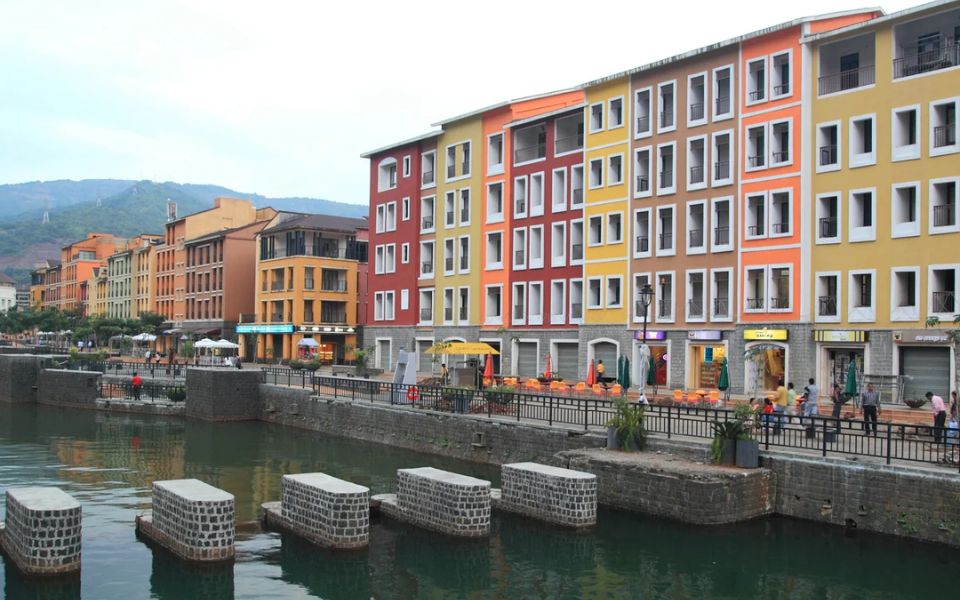
Lavasa is a privately planned hill city located in the Western Ghats near Pune, Maharashtra, often described as the “Little Italy of India” due to its unique architectural inspiration from the Italian coastal town of Portofino.
Conceived in the early 2000s by the Hindustan Construction Company (HCC) under the leadership of Ajit Gulabchand, Lavasa was envisioned as India’s first privately built and managed hill city, blending natural beauty with modern urban design.
Spread across more than 25,000 acres over seven hills, the project aimed to create a self-sufficient township with residential zones, hotels, offices, schools, and recreational facilities.
The city’s architectural ethos took direct cues from Portofino’s colourful buildings, lakeside promenades, and Mediterranean charm, which earned it the nickname “Italy of India.” Visitors often note its cobbled streets, vibrant facades, and scenic waterfronts, which aim to evoke a European experience amidst the Indian landscape.
Despite its striking aesthetics, Lavasa’s journey has been controversial and complex. The ambitious project faced environmental challenges and legal hurdles, including construction halts due to alleged violations of environmental norms in the ecologically sensitive Western Ghats.
Financial difficulties and land acquisition disputes further slowed development, leaving large parts of the city incomplete and prompting media and investor concerns over its future.
Today, parts of Lavasa continue to attract tourists and weekend visitors from Pune and Mumbai, drawn by its picturesque landscapes, lakeside activities, and outdoor adventures such as water sports, hiking, and scenic viewpoints.
Lavasa remains a fascinating blend of ambition and challenge—a place where a European dream was transplanted into the Indian hills, showcasing both modern planning and the difficulty of building large-scale private cities.
Also Read: How to Plan a Bangkok–Pattaya Trip in Rs35,000 (Flights, Visa, Hostels, Food & Nightlife)